
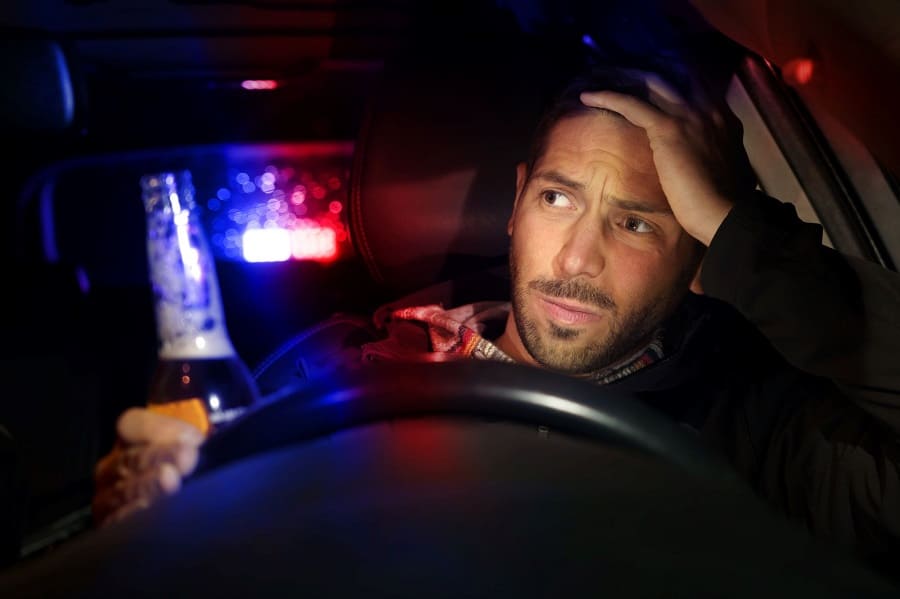
Prescription drug use has been falling under law enforcement’s microscope more and more as prescription drug abuse rises. According to the National Center for Drug Abuse Statistics (NCDAS), about 16.3 million people across all age ranges misuse prescription medication each year.
In 2014, a survey conducted by the National Highway Traffic Safety Administration (NHTSA) found that 22.5% of drivers, or nearly 1 in 4, tested positive for a drug that could impair their ability to drive. With those numbers in mind, it is important for drivers to understand that law enforcement will be on the lookout for anyone driving under the influence of prescription medication, especially when paired with alcohol.
For drivers in Ohio, this can raise a number of questions including what prescription drug level makes it illegal to drive and what medications are of concern to law enforcement. Below, we take a closer look at these questions.
Disclaimer: The following is not intended as legal advice. Please consult with an OVI lawyer in Franklin County or nearest to you for legal advice and representation.
What Does Ohio State Law Say About Driving Under the Influence of Prescription Drugs?
According to Section 4511.19(a) of the Ohio Revised Code, it is illegal for a person to operate “any vehicle, streetcar, or trackless trolley within this state while under the influence of alcohol, a drug of abuse, or a combination of them.”
This also includes drugs that are considered prescription medication that may cause impairment. In Ohio, if a police officer suspects that you may be driving under the influence of a controlled substance, they will likely have you exit the vehicle to perform field sobriety tests like:
- The Walk and Turn
- The Horizontal Gaze Nystagmus
- The One Leg Stand
Depending on your performance on the above tests, they may eventually request a breath or urine test to confirm the concentration of alcohol and/or drugs in your system.
What Prescription Drug Level Makes it Illegal for You to Drive in Columbus, Ohio?
In Ohio, there are several controlled substances that fall under Ohio state law that have a set blood or urine level that can make driving while on them illegal. The substances taken into consideration under the law include:
- Cocaine and cocaine metabolite
- Heroin and heroin metabolite
- Marijuana and marijuana metabolite
- Amphetamine (including things like meth, Ritalin, Adderall, etc…)
- LSD
- Phencyclidine
To get more specific, the prescription drugs that are of concern in Ohio include:
- Opoids like Percocet, Vicodin, and OxyContin
- Prescription cold and cough medicine that contains codeine
- Sedatives or benzodiazepine like Xanax or Valium
- Prescription stimulants like Ritalin or Adderall
While controlled substances like cocaine and heroin have a specific level at which they are deemed to impair, prescription medications are a little more difficult to give a set legal limit. A standard breathalyzer test will not be of any use to determine the amount of prescription drugs one has in their system.
As previously mentioned, a law enforcement officer may ask you to perform a series of field sobriety tests if they suspect impairment due to prescription medication. Based on the results of these tests, you could be asked to take a urine, blood, and/or breath test.
To read in detail the controlled substance levels that are considered illegal in Ohio, see the Ohio Revised Code section here.
For drivers who are facing a DUI or OVI related to prescription medication, it is beneficial to speak with a Columbus DUI attorney. DUI/OVI’s can be complicated cases, especially when prescription medication is involved. To prove that a driver was under the influence, it will need to be shown that the medication impacted your ability to drive in such a way that you would be considered impaired. Having a Columbus DUI attorney on your side can help make sure that your rights are protected.
What Charges Exist for a DUI/OVI?
In Ohio, a first DUI/OVI charge can be life-altering. The harsh penalties you may face for a first time OVI charge include:
- 3 days to 6 months in jail
- A driver’s license suspension that can last between 1 and 3 years
- A fine between $375 to $1,075
- A denial of driving privileges for at least 15 days
The penalties for each subsequent DUI/OVI charge will increase. For example, a second DUI/OVI charge within two years of your first can result in penalties like:
- A minimum of 10 days and up to 6 months in jail
- Fines that range from $525 to $1,625
- A driver’s license suspension that can last between 1 and 3 years
- Vehicle immobilization (boot or club prohibiting driving) for 90 days
Given these harsh penalties, if you are facing OVI charges in Columbus Ohio related to alcohol, drugs, or prescription medication, be sure to connect with an experienced DUI defense attorney who can provide further insight concerning your individual situation.
About the Author The Maher Law Firm, LLC is a traffic defense law firm based in Columbus, Ohio. Founder and experienced Columbus DUI attorney, Colin Maher, has been representing clients in Ohio for over 12+ years. From handling DUI/OVI charges to other traffic violations like speeding tickets and driving under a suspended driver’s license, Colin has successfully represented well over 2,000+ clients. He offers free and confidential consultations over the phone by calling 614-205-2208 or by contacting us online.